
There's something about a calm spring morning on Long Island Sound that just sets the stage perfectly. The water is settled, the sky is bright, and somewhere between the first cast and the third round of laughs, a first-timer who walked onto the dock a little nervous is grinning ear to ear with a fish in their hand. That's the moment I live for. And it happens regularly out here — because the Sound is a genuinely wonderful place to fish, and very different from the deep ocean in ways that most people really appreciate. If you've been sorting through the question of deep sea vs inshore fishing while planning your trip, you're in good company. It's one of the most common things people ask before they book. Let me walk you through the differences and help you figure out what kind of day is going to be just right for you.
Quick Takeaways
- Deep sea fishing means venturing far offshore into open Atlantic water — often 30+ miles out, with big swells and long travel times
- Inshore and nearshore fishing means calmer, shallower water close to the coast — much more manageable for families, beginners, and groups
- Long Island Sound fishing (what we do at Celtic Quest) is inshore-to-nearshore — generally calm, 1 to 5 miles from shore, 30 to 100 feet of water depending on the season
- Every Celtic Quest trip is all-inclusive — rods, tackle, bait, and fishing license are all part of the fare
- No need to worry about regulations — our crew stays current on all New York fishing rules
Table of Contents
- What Do These Terms Actually Mean?
- Quick Comparison: Deep Sea vs Inshore Fishing
- Where Does Long Island Sound Fit In?
- What's the Water Like?
- What Fish Are You Going After?
- Which Trip Is Right for You?
- Book Your Trip Out of Port Jefferson
- Frequently Asked Questions
What Do These Terms Actually Mean?
These terms get thrown around a lot, and they can make the whole thing sound more complicated than it really is. Here's the simple version.
Saltwater fishing exists on a spectrum. At one end, you've got inshore fishing — calm, shallow coastal waters like bays, sounds, and harbors, usually under 30 feet deep and close to shore. In the middle sits nearshore fishing — a bit further out, a bit deeper, but still relatively sheltered and comfortable. At the far end is offshore or deep sea fishing — open Atlantic water, dozens of miles from land, serious ocean swells, and trips that can run eight to twelve hours or more.
One thing worth knowing: "offshore" and "deep sea" are often used as if they mean the same thing, but they don't always. Deep sea fishing in the truest sense means heading far out into very deep water — think Gulf Stream canyon trips targeting tuna or marlin. Offshore can mean something much more modest. Most charter fishing trips — including everything we do at Celtic Quest — happen in inshore-to-nearshore waters. And for the vast majority of people who come out with us, that's exactly the right fit.
None of these options is better than another in any absolute way. They're different experiences designed for different people and different goals.
Quick Comparison: Deep Sea vs Inshore Fishing
Here's a side-by-side look at how these two experiences stack up — the kind of thing I'd sketch on a napkin for you right here at the dock.
| Deep Sea / Offshore | Inshore / Nearshore (Long Island Sound) | |
|---|---|---|
| Distance from shore | 30+ miles offshore, open ocean | 1–5 miles from the dock |
| Water depth | Hundreds of feet or more | Roughly 30–100 feet |
| Water conditions | Open ocean swells, can be rough | Typically calm — sheltered Sound water |
| Trip length | Often 8–12+ hours | Half day (4 hrs) or full day (7 hrs) |
| Best for | Experienced anglers seeking big-game fish | Beginners, families, groups, first-timers |
| What you might catch | Tuna, mahi-mahi, marlin | Porgies, fluke, sea bass, striped bass, bluefish |
Both experiences have their magic. For most families, first-timers, and groups booking a charter out of Port Jefferson, an inshore Sound trip delivers a wonderful day — comfortable, action-packed, and enjoyable for everyone on board.
Where Does Long Island Sound Fit Into All This?
Long Island Sound falls squarely in the inshore-to-nearshore category, and we're genuinely proud of that. From our dock at Port Jefferson, the Celtic Quest IV and Celtic Grace head out roughly 1 to 5 miles into the Sound, fishing in depths that range from about 30 feet in spring to around 100 feet as the season moves into late summer and fall. That puts us firmly in nearshore territory — not deep sea by any definition, and that's a good thing for most of the people we take out.
The Sound itself is a semi-enclosed, protected body of water sitting between the North Shore of Long Island and the Connecticut coast. That geography matters enormously. The water here fishes differently from the open Atlantic — and for most people who come aboard, that turns out to be genuinely wonderful news.
We fish out of three locations across the season. From Port Jefferson — our main home base, April through October — the boats range across Smithtown Bay to the west and out toward Shoreham to the east, following the fish wherever they're most active. In spring, our Jamesport location takes us into the beautiful Peconic Bay system. In fall, we relocate to Mattituck, where full-day wreck and bottom trips extend the season all the way through Thanksgiving. Each spot has its own seasonal personality, and our crew knows all of them well. Learn more about who we are and how we operate.
What's the Water Like?
If you've ever been on the open ocean when it's running a four-foot swell, you know exactly why this section matters. For plenty of people — especially anyone who isn't sure how their stomach handles a moving boat — water conditions can make or break the whole experience.
Long Island Sound tends to be significantly calmer than the open Atlantic. Long Island shields the Sound from the full force of the ocean to the south, and Connecticut's coastline closes it off to the north. The result is water that's usually smooth and settled, especially in spring and early summer when the season is at its peak.
That doesn't mean it's always glassy — no body of water is — but in general, you're looking at conditions that are comfortable for most people, including kids, older adults, and anyone who has had a queasy experience on rougher water in the past. I've had folks come aboard expecting the worst and walk off smiling, genuinely surprised at how pleasant the whole ride was.
What Fish Are You Going After?
This is where inshore and deep sea fishing really diverge, and it's worth knowing what's swimming around out here in the Sound.
On a typical Celtic Quest trip, depending on the season, you might be targeting:
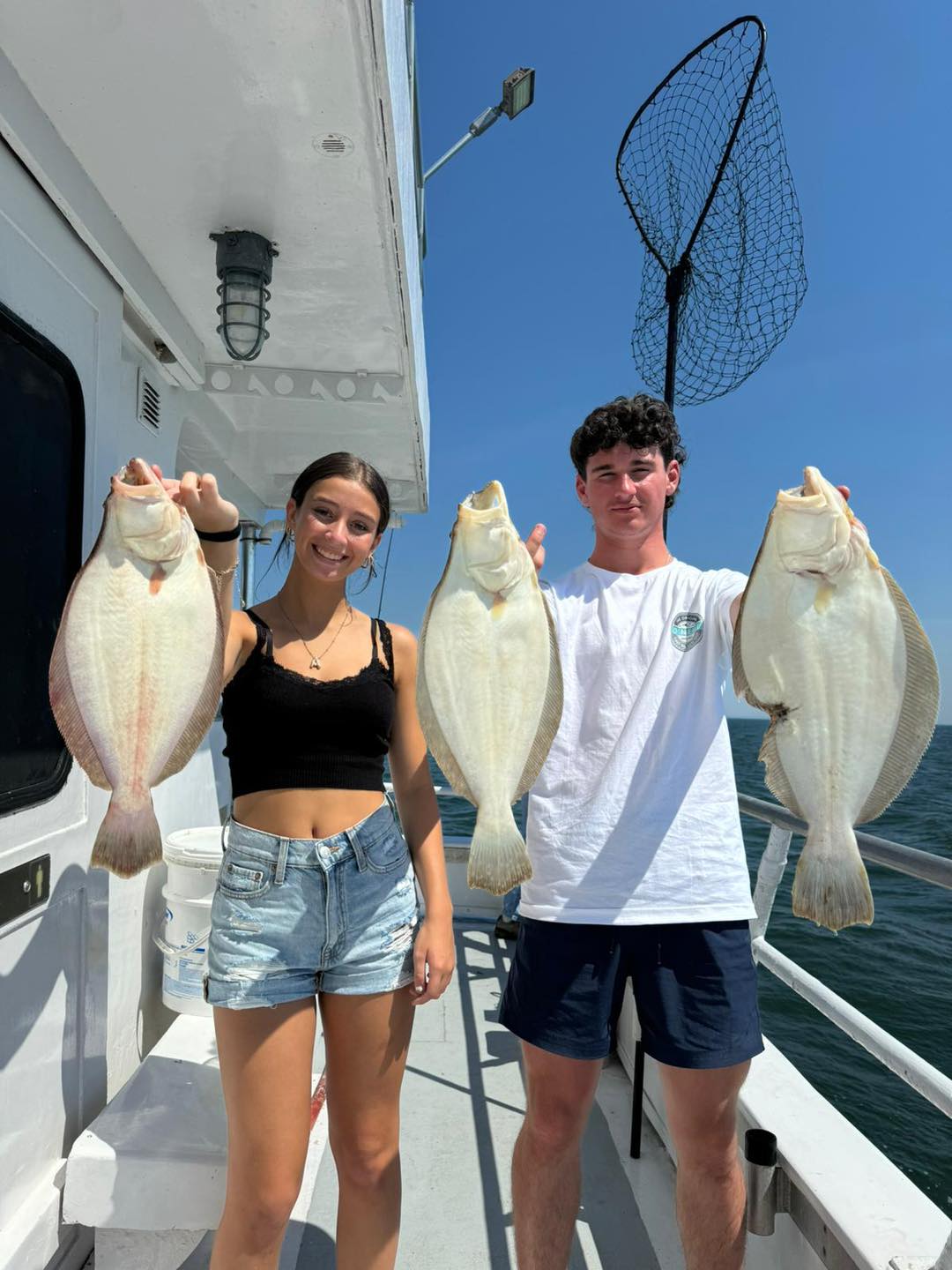
- Porgies (scup) — the heart and soul of our season, showing up from spring through fall in great numbers
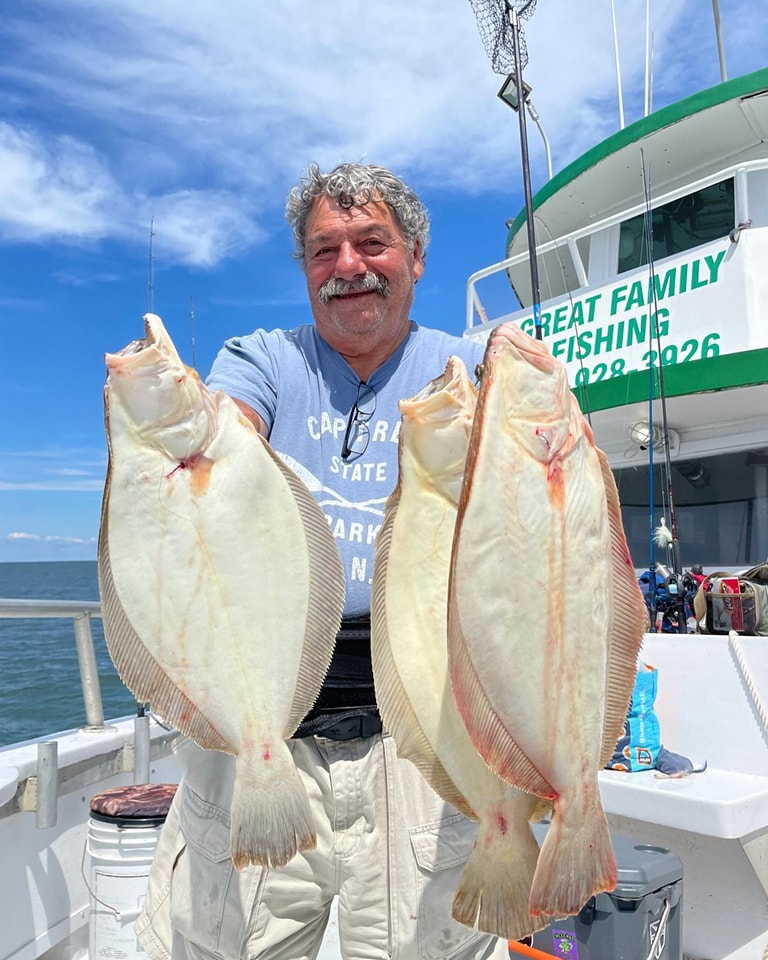
- Fluke — fantastic action from May into July as they follow the baitfish onto the shoals
- Black sea bass — bottom fishing at its best, especially as summer moves toward fall
- Striped bass — a spring and fall favorite; we run special trips when conditions line up
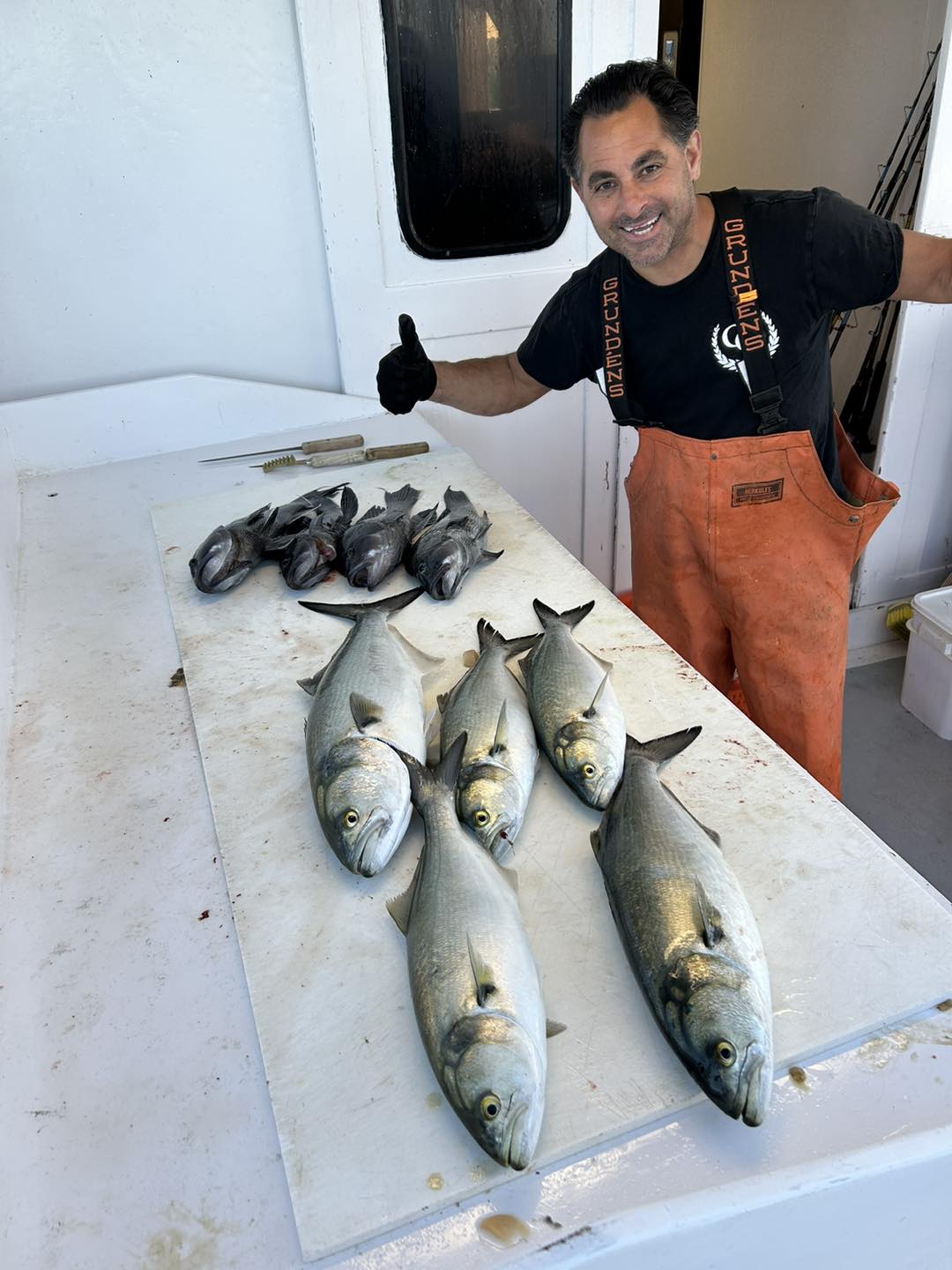
- Bluefish — strong fighters that arrive in summer and really turn it on through the fall
- Blackfish (tautog) — the prize of our Mattituck fall season, opening mid-October
- Weakfish — an occasional treat, especially in the Jamesport and Peconic Bay area in spring
Deep sea trips out in the open Atlantic target a completely different roster — tuna, mahi-mahi, marlin, swordfish. Those are genuinely thrilling fish. They also require long travel times, experienced sea legs, and a very different kind of day. For most of the people we see on the dock in Port Jefferson, a cooler full of porgy, fluke, and sea bass fillets at the end of the trip is a very satisfying thing.
Check our fishing reports to see what's been biting lately.
Which Trip Is Right for You?
Here's my honest take, built from 25 years on these waters.
Inshore / Long Island Sound fishing is probably your best fit if:
- You're bringing kids, older family members, or anyone who might be sensitive to motion
- It's your first time (or close to it) and you want to walk off the boat smiling
- You're organizing a group — a corporate outing, a bachelor party, a family reunion — and you need the whole crowd to have a great time
- You want reliable action throughout the season with a wide variety of species
- You want an all-inclusive trip where everything — rods, bait, tackle, license, fish cleaning — is handled for you
Deep sea / offshore fishing might be the right call if:
- You're an experienced angler specifically chasing big-game species like tuna or mahi-mahi
- You have a full day or more and want the adventure of a long offshore run
- You've spent plenty of time on open water and enjoy the challenge that comes with it
There's no wrong answer here — it really comes down to who's going and what kind of day you want to have. We're always happy to talk it through and help you land on the right trip. See all our trip options here.
Ready to Book Your Trip Out of Port Jefferson?
We run open boat (public) trips out of Port Jefferson from April through October, with full-day trips continuing into November at Mattituck. Private charters are available for groups of all kinds — corporate events, birthday parties, bachelor parties, family trips, and more. Both the Celtic Quest IV and Celtic Grace are fully equipped, and our crew takes care of absolutely everything.
No experience needed. No gear to haul. Just show up and enjoy the Sound.
Book your trip here or give us a call at (631) 928-3926 — we'd love to help you plan a day you'll remember.
Frequently Asked Questions
Is Long Island Sound considered inshore or deep sea fishing?
Long Island Sound is inshore-to-nearshore fishing. Celtic Quest trips head out 1 to 5 miles from the dock in Port Jefferson, fishing in roughly 30 to 100 feet of water depending on the time of year. That's nowhere near deep sea territory — and for most people, that's a genuinely wonderful thing. The Sound is sheltered, the water is typically calm, and the fishing is excellent across a long season.
Is deep sea fishing safe for beginners and families?
Deep sea fishing means heading far out into the open Atlantic, often 30 or more miles offshore. The boat rides are long, the swells can be significant, and the experience is really designed for people who are comfortable on the water and specifically chasing big-game species. For beginners and families, inshore charter fishing on Long Island Sound is a much more natural fit — the conditions are calmer, the trips are a manageable length, and you're going to catch fish and have a wonderful time.
How far offshore does Celtic Quest go on a typical trip?
On a typical trip out of Port Jefferson, we're fishing 1 to 5 miles from the dock in the waters of Long Island Sound. Travel time to the fishing grounds is usually 30 minutes to an hour. In fall, our Mattituck location takes us out to wreck and bottom grounds, but we're always working within the Sound — not the open Atlantic.
What fish can I catch on a charter out of Port Jefferson?
The Sound offers a wonderful variety of species across the season. Porgies are the backbone of our fishing from spring through fall. Fluke show up from May through July. Black sea bass are a favorite on bottom trips as summer progresses. Striped bass come through in the spring run and again in fall. Bluefish arrive in summer and turn on strong through the fall. At our Mattituck location in October and November, blackfish (tautog) are the main event. Conditions vary year to year — check our fishing reports for the latest.
Do I need any experience to go on a fishing charter?
Not at all. Our crew takes care of everything — they'll bait your hook, show you how to hold the rod, and cheer you on when you get a bite. We've taken complete beginners out thousands of times, and honestly it's one of our favorite things. The whole trip is all-inclusive: rods, tackle, bait, and fishing license are all part of the fare. Just show up ready to have fun.
What's the difference between a party boat and a private charter?
A party boat (also called an open boat) is a public trip where you buy individual tickets and fish alongside other folks who booked the same day. It's a social, fun way to go fishing and a great value. A private charter means your group has the whole boat to yourselves — you set the pace, pick your date, and celebrate whatever you're celebrating. Both options are available at Celtic Quest, and our crew will take great care of you either way.
Is fishing on Long Island Sound calmer than ocean fishing?
Generally, yes — and meaningfully so. The Sound is a semi-enclosed body of water, sheltered from the open Atlantic by Long Island to the south and Connecticut to the north. That geography tends to keep conditions much more manageable than what you'd find on an open-ocean trip out of the South Shore. There will always be days with some wind and chop — that's the nature of being on the water — but the Sound is consistently friendlier for passengers who prefer a smoother ride. The New York DEC and NOAA are great resources if you'd like to learn more about the fisheries we're lucky to call our backyard.